
A Horse Lover’s Guide
Here is a series of articles that I’ve written over the years about horsemanship and achieving harmony and an autotelic experience.
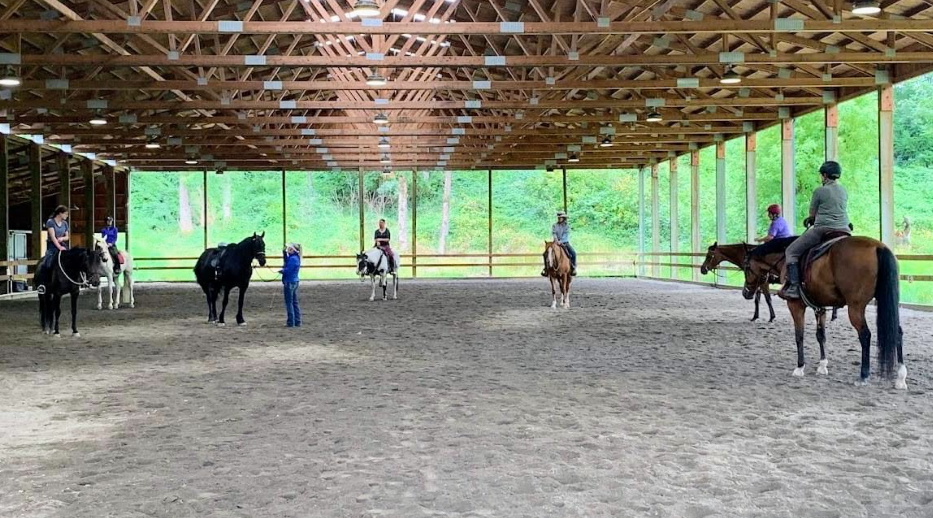
The Qualities of a Successful Learner: How to Learn Well in a Complex World
The Qualities of a Successful Learner: How to Learn Well in a Complex World
Learning is not just about gathering information. It is about developing the internal qualities that allow understanding, growth, and adaptability over time. Truly successful learners cultivate a balance of cognitive skills, emotional resilience, and intentional behavior. These qualities shape how we meet challenges, integrate feedback, and continue evolving—long after formal instruction ends.

When Fear Creates Inertia: A Thoughtful Path Back to Horses
When Fear Creates Inertia: A Thoughtful Path Back to Horses
Fear of failure, fear of getting hurt, or fear of “not being who you used to be” can quietly create inertia in even the most devoted horse lovers. This kind of stuckness is not laziness, weakness, or a lack of passion. It is often a nervous system response shaped by past experiences, pressure, or unrealistic expectations.
The path back to joy is rarely dramatic. It is usually quiet, intentional, and deeply personal—and that is exactly what makes it sustainable.
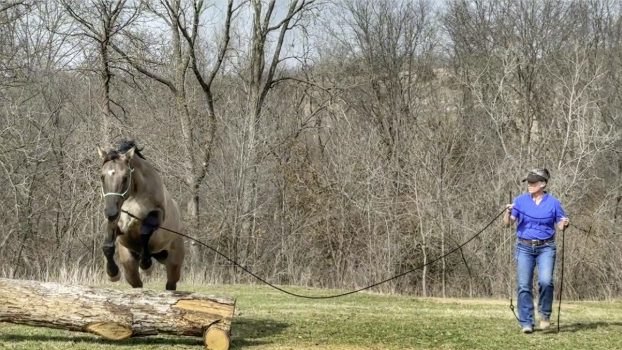
Emotional Maturity in Horsemanship:
Emotional Maturity in Horsemanship: Why Our Focus Shapes Our Results
Horsemanship is more than a technical skill. It is a reflection of our emotional maturity, our ability to regulate ourselves, and our willingness to stay connected when things get complicated. Horses feel everything. They respond not just to our aids, but to the quality of our intention. When we cultivate emotional maturity, the entire horse–human relationship becomes clearer, kinder, and far more effective.
Developing Playfulness
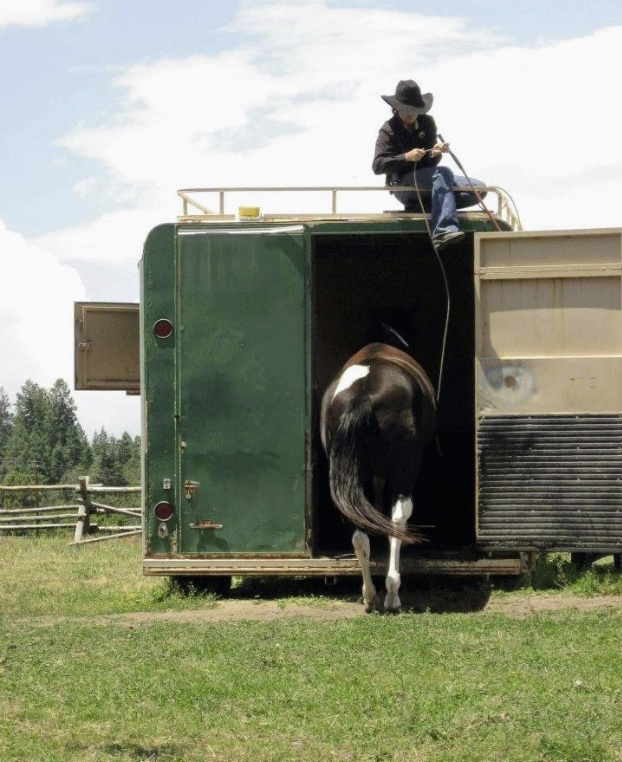
As our horsemanship deepens, it’s easy to become overly focused on correctness, precision, and progress markers. Goals matter. Skill matters. But partnership thrives on something often overlooked as we “get more serious”: play.
Developing Leadership in Horsemanship
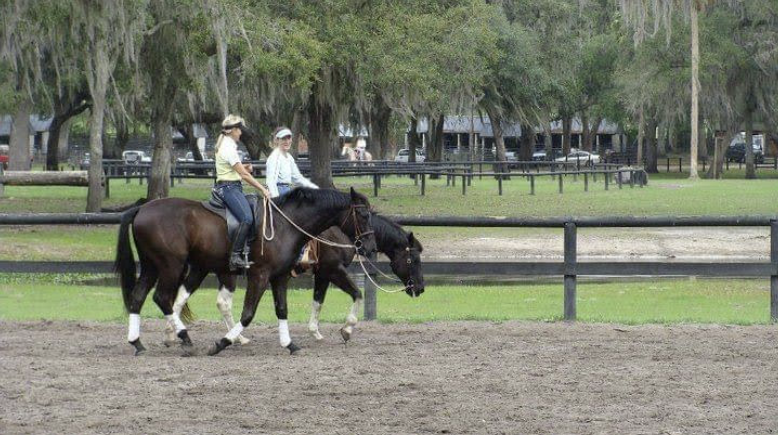
Leadership in horsemanship is one of the most misunderstood concepts in the horse world. Many riders think leadership is about authority, control, or demanding obedience. Yet the finest horsemen and horsewomen—those whose horses move with softness, trust, and confidence—lead with something very different.
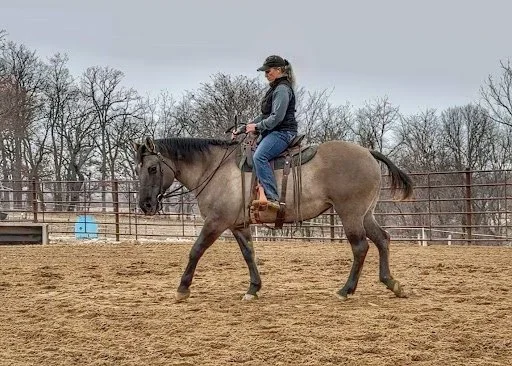
Comparison and Judgment: The Quiet Killers of Joy
Comparison and judgment are two of the most reliable ways humans drain joy from their own lives. They work quietly, often disguised as motivation, discernment, or “just being honest,” yet over time they create dissatisfaction, insecurity, and emotional distance—from ourselves and from others.
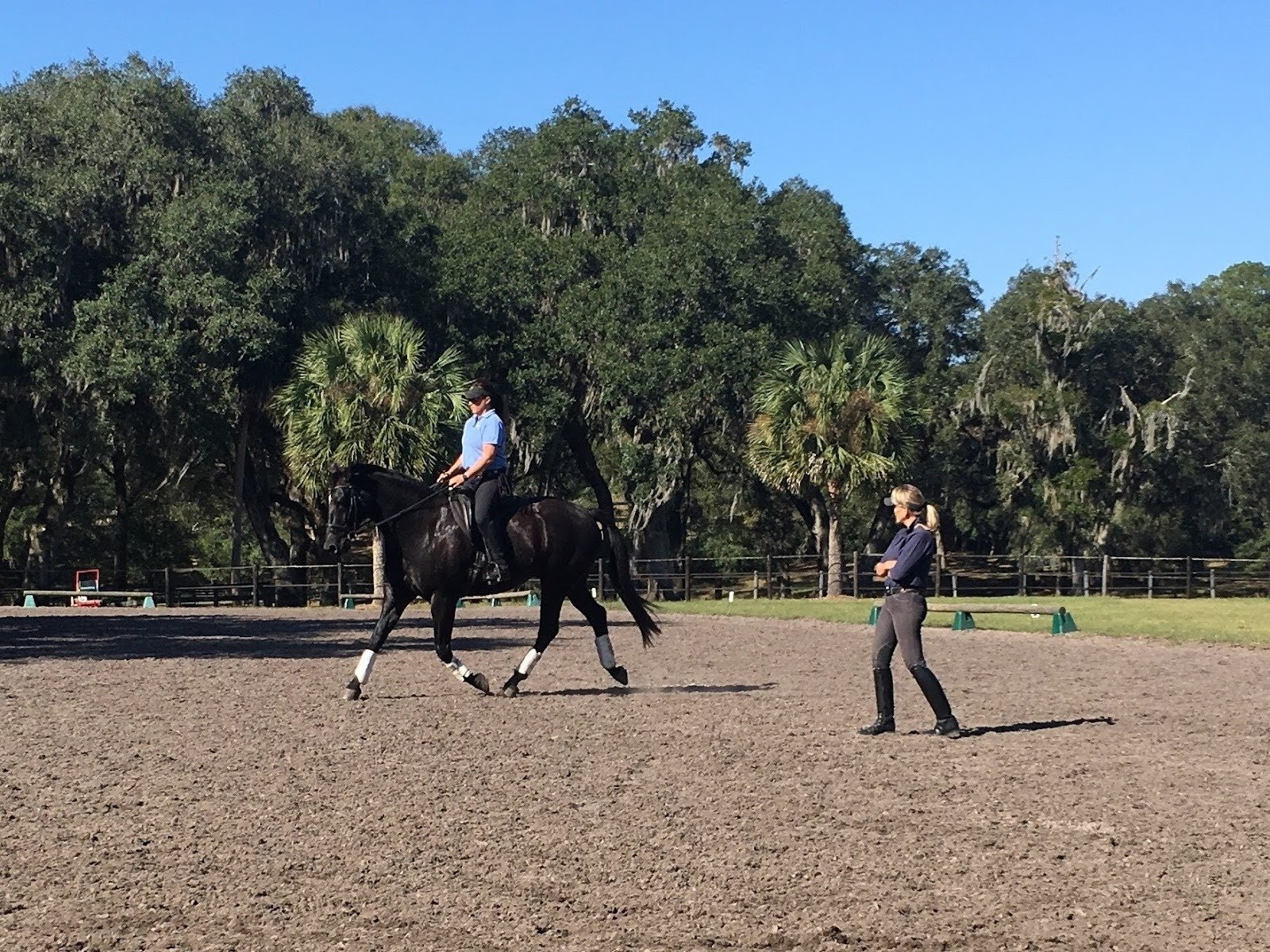
Why Riders Choose Certain Horsemanship Mentors
In horsemanship, choosing a mentor is rarely a casual decision. The person you choose to learn from will shape not only how you work with your horse, but how you think about leadership, communication, responsibility, and partnership. While riders may believe they are drawn to a mentor for a single reason, the reality is more nuanced. Several interconnected factors tend to influence why someone chooses to follow a particular horsemanship mentor.
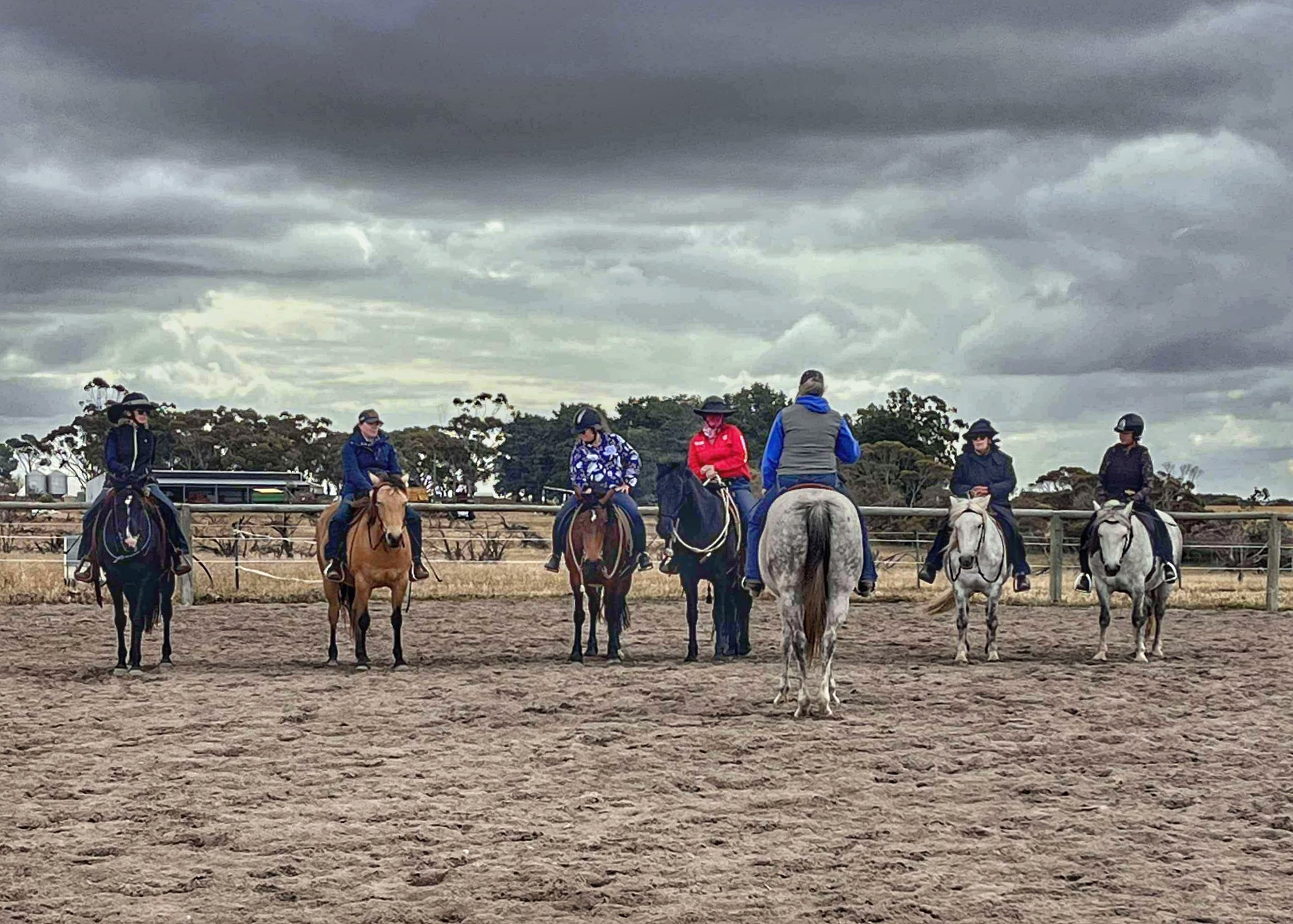
Why Blame Is Counterproductive (and What Works Better)
Blame is the act of assigning fault or responsibility when something goes wrong. It’s a deeply human impulse—we want to understand what happened, and we often want someone to hold accountable. But while blame may feel satisfying in the moment, it rarely leads to clarity, growth, or lasting improvement.
In fact, blame tends to create more problems than it solves.
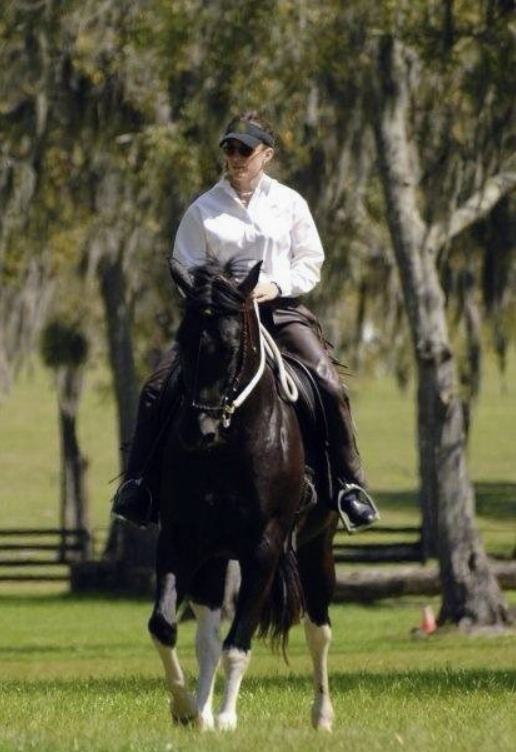
Attunement with Horses: The Foundation of True Partnership
Attunement in horsemanship is the art of developing a deep, intuitive understanding of a horse’s emotional, mental, and physical state. It goes far beyond technique or training strategies. Attunement asks us to notice how a horse feels while we are interacting with them and to let that information guide our choices.
Accountability in Horsemanship: Owning Your Journey with Your Horse
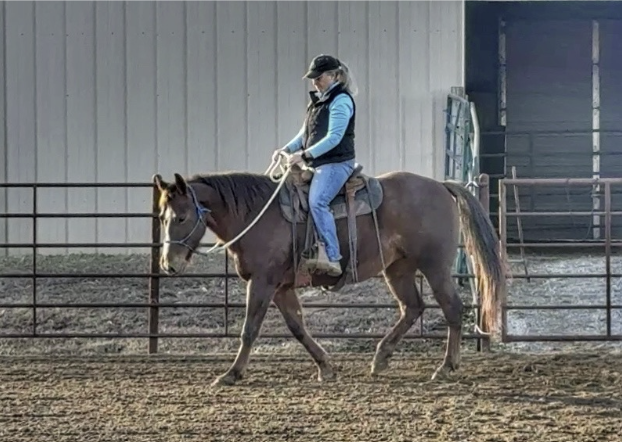
Accountability in horsemanship is one of the most overlooked—and most powerful—skills a horse person can develop.
Accountability in horsemanship is not about perfection. It is about ownership.
Body Language and Horses: Why How You Move Matters More Than What You Do
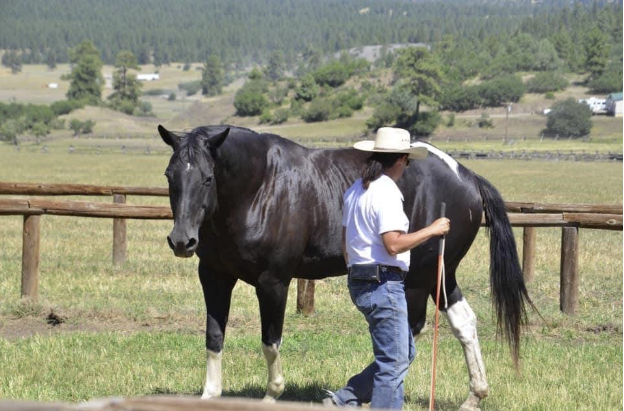
Horses are fluent in body language. Humans, less so. This mismatch is where most confusion, tension, and training plateaus begin.
The Window of Trainability
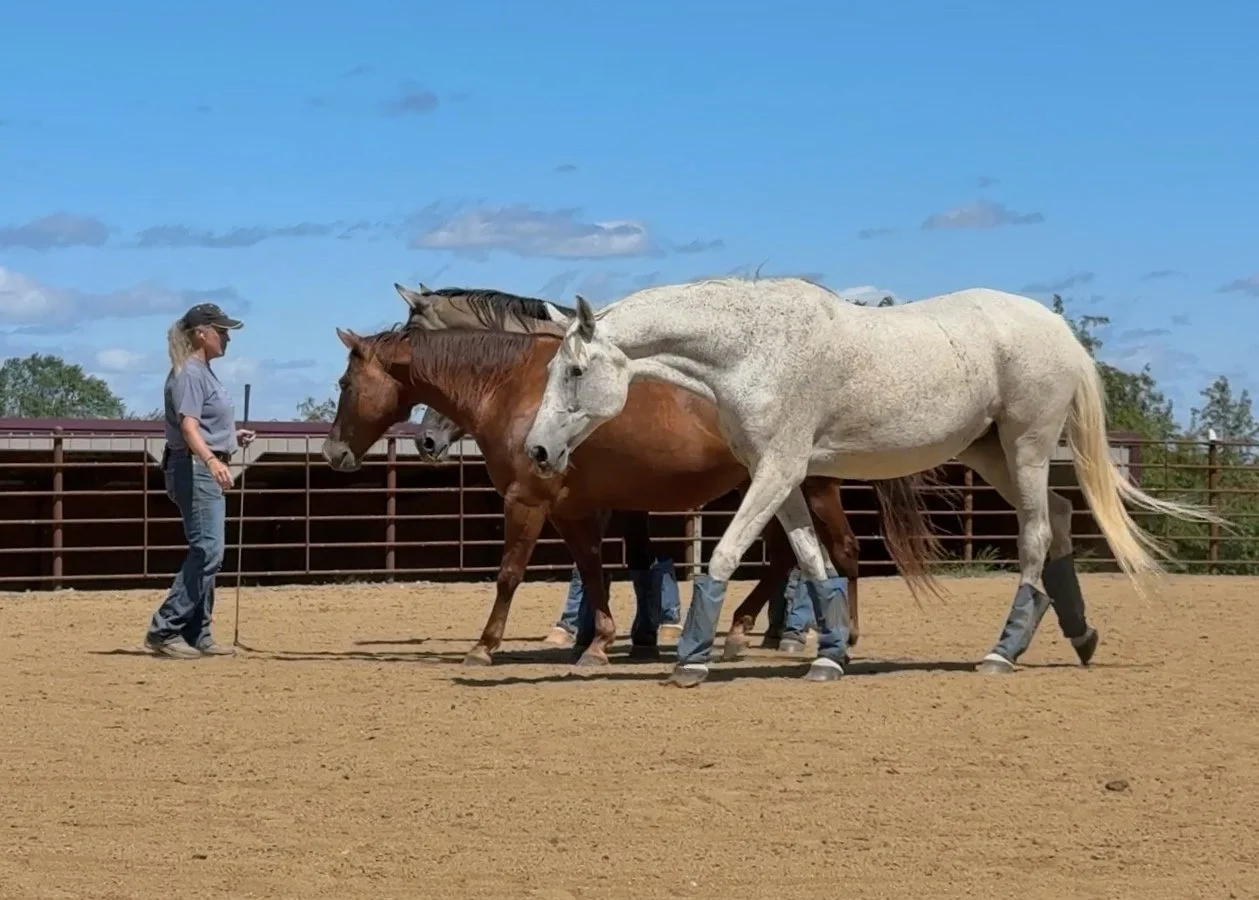
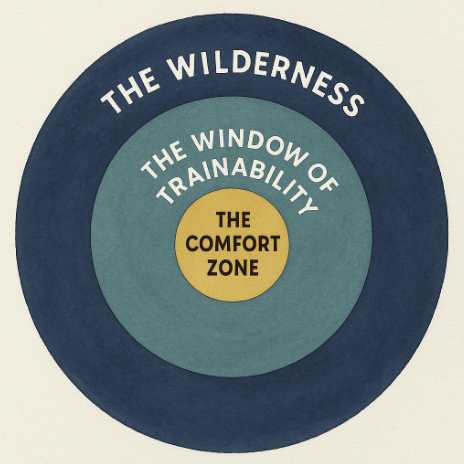
Confidence, Habituation, and the Three Circles That Shape a Horse’s Learning
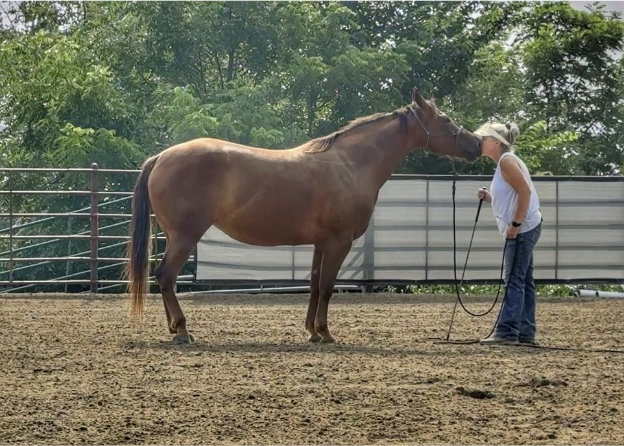
The Circle of Influence in Horsemanship
It is human nature to get tangled up in things we cannot control. Once we stop trying to wrestle the world into our shape and start listening to the horse in front of us, that listening grows our influence, expands our partnership, and unlocks the kind of harmony that so many riders chase but rarely find.
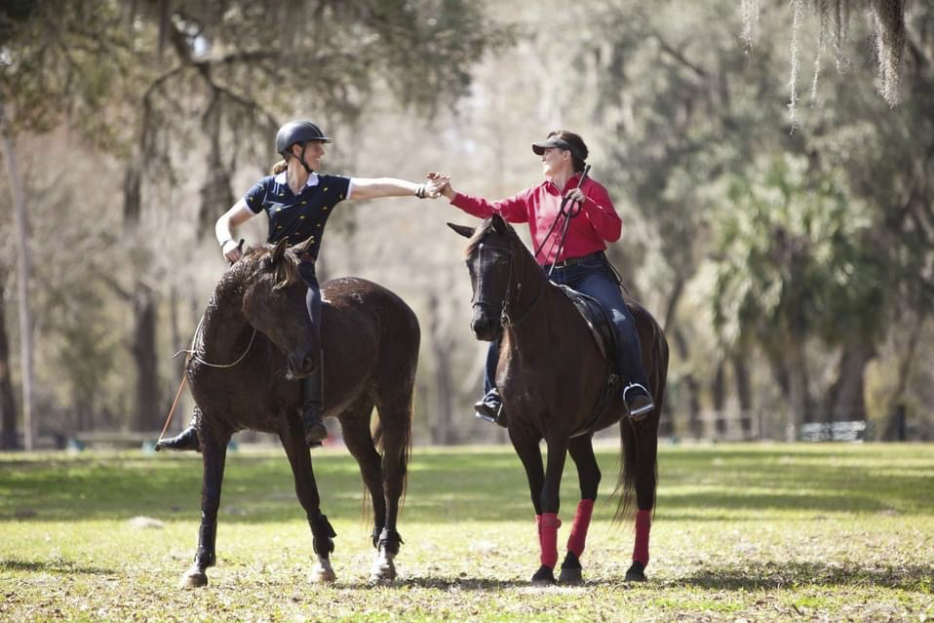
Embracing the Journey in Horsemanship: Why the Process Matters More Than the Outcome
In horsemanship, it’s easy to become fixated on outcomes. A quiet ride. A finished maneuver. A confident horse. While goals have their place, real and lasting progress comes from something deeper: embracing the journey itself.
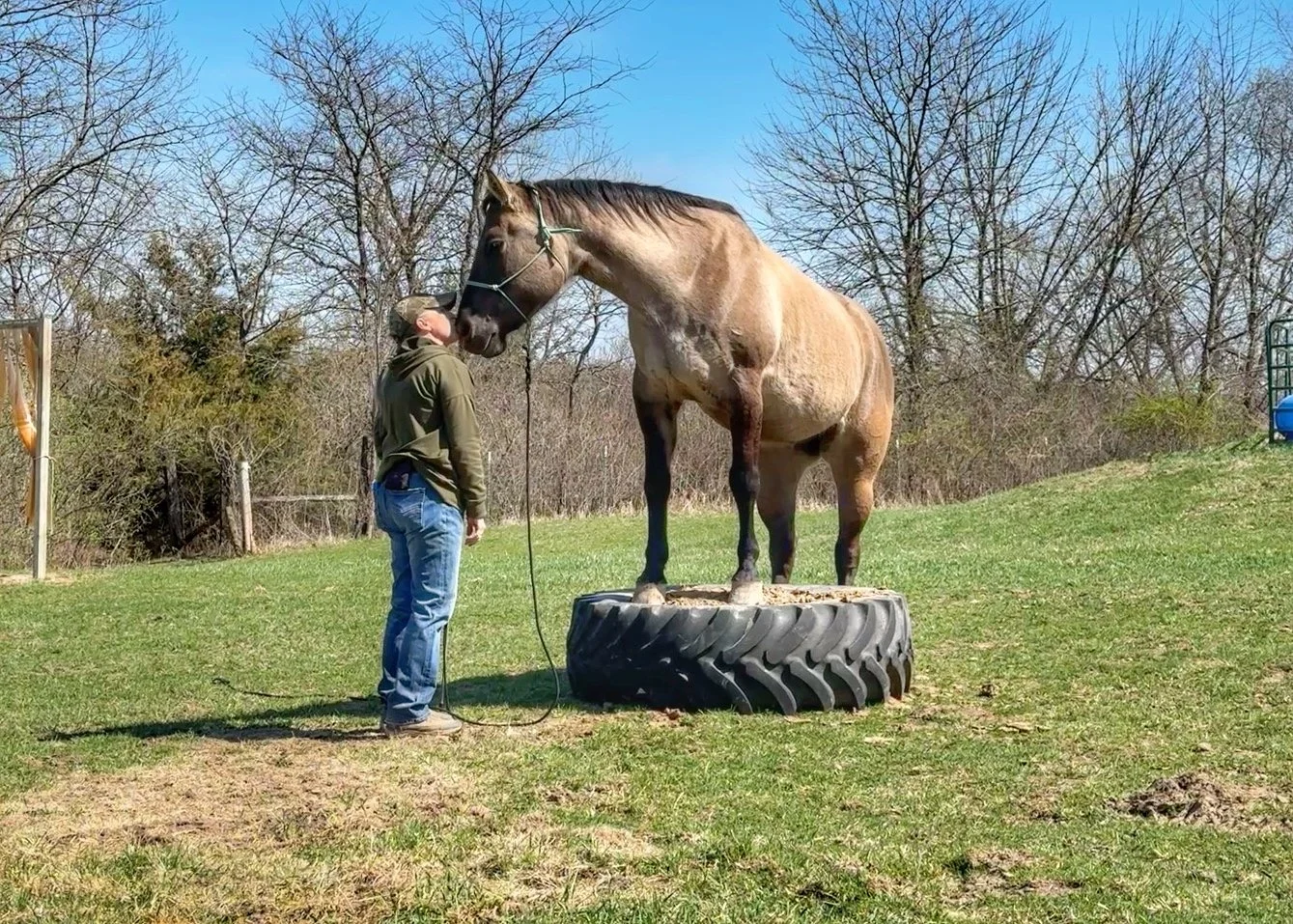
Setting Goals, Overcoming Challenges, and Rethinking Timelines in Horsemanship Training
In autotelic horsemanship, the work itself is the point. Riding, groundwork, and problem-solving are not chores to endure in order to reach a destination—they are conversations worth having for their own sake.
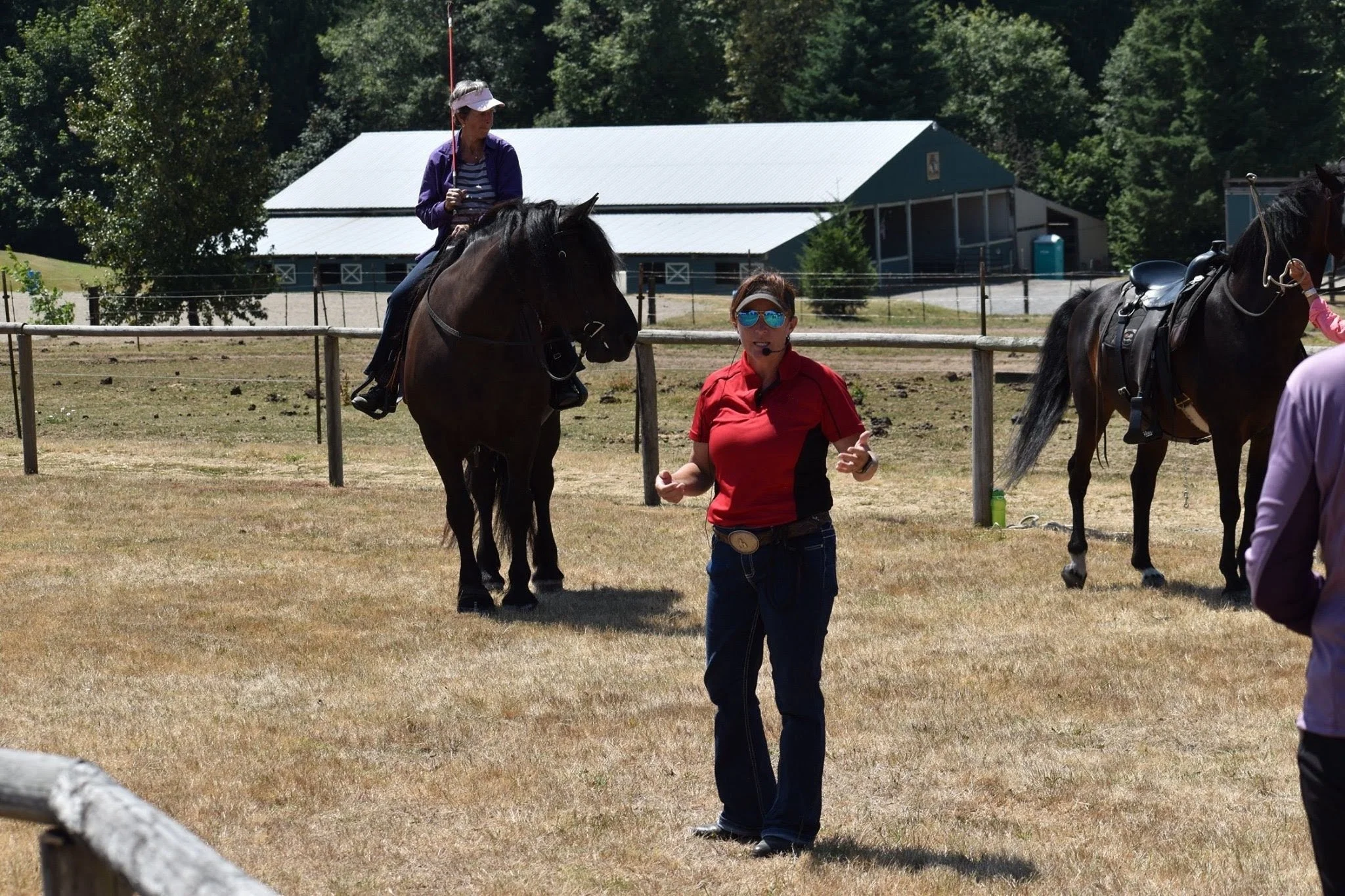
8 Steps for Success
Developing Confidence, Connection, and Emotional Fitness with Your Horse
Revealing Who We Are
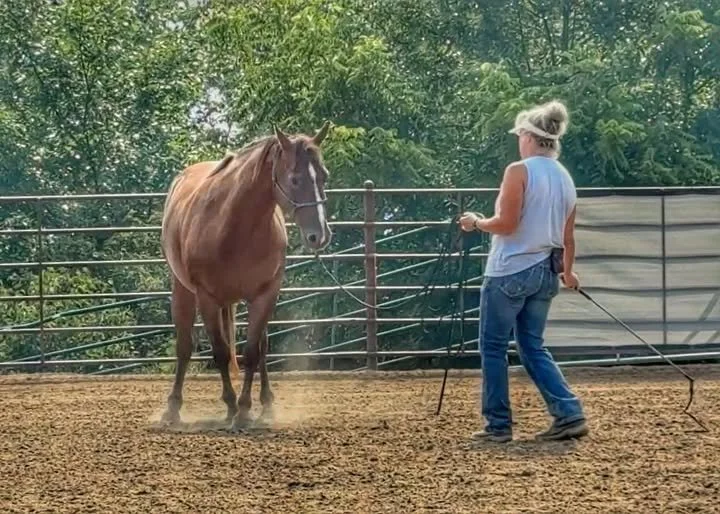
Horses have a way of revealing who we are long before they respond to what we ask. Every interaction exposes our mindset, our habits, and our emotional fitness. With time, I’ve come to believe that emotional maturity is not just helpful in horsemanship. It is essential. Without it, the work becomes reactive. With it, the work becomes art.
The Purpose of Pressure: Teaching Meaning, Creating Harmony
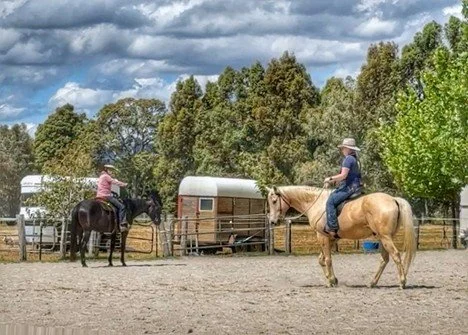
Horsemanship circles often treat the word pressure as if it carries a moral weight. To some, pressure sounds like force. To others, it implies dominance. But pressure, when used with understanding and intention, is neither of those things.
Proactive Training vs. Testing Our Horsemanship
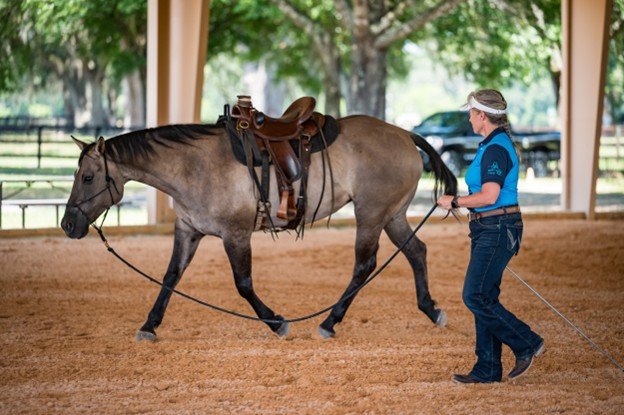
Why Every Arena Session Needs a Plan—And the Flexibility to Change It