Accountability in Horsemanship: Owning Your Journey with Your Horse
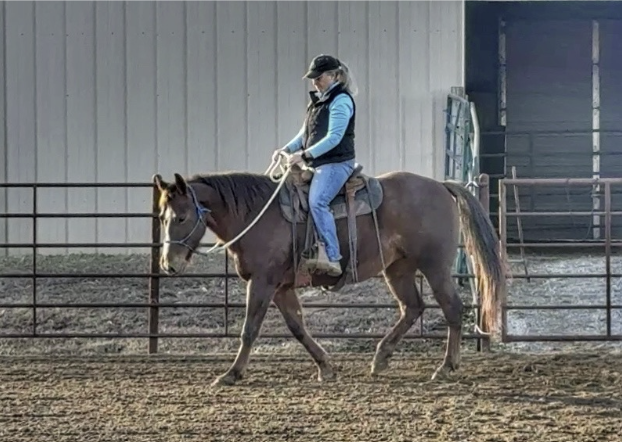
Kristi riding Kaya - First rides
Accountability in horsemanship is one of the most overlooked—and most powerful—skills a horse person can develop. It is common to hear riders and trainers explain challenges by pointing to a horse’s past handling, genetics, trauma, or bad luck. While those factors are real and worth acknowledging, lasting progress with horses does not come from assigning blame. It comes from taking responsibility for the results we are getting today.
We may, at times, be dealing with the consequences of choices made before we ever met our horse. That reality can be frustrating. Still, meaningful growth in horsemanship begins the moment we stop focusing on what we cannot change and start owning what happens next.
What Accountability in Horsemanship Really Means
Accountability means recognizing that we are the most influential factor in our horse’s current experience. Our timing, emotional regulation, clarity, consistency, and skill all shape how our horse responds to us. While a horse’s genetics and history influence their tendencies, it is our responsibility to work thoughtfully with the horse in front of us.
This mindset does not require blame or shame. It requires honesty. Accountability asks us to evaluate how our decisions, habits, and reactions are affecting our horse—especially when things are not going well.
Accepting Reality Without Getting Stuck There
A foundational part of accountability is accepting reality as it is. We cannot rewrite a horse’s past or alter their genetic makeup. Those elements are fixed. Resisting them wastes energy and often leads to resentment or unrealistic expectations.
Acceptance does not mean settling. It means working intelligently within the parameters we have. Once we accept what is outside our control, we are free to focus on what we can influence: our skill set, our emotional steadiness, our timing, and our ability to listen to feedback from the horse.
Progress Is Gradual—And That’s a Good Thing
One of the fastest ways to abandon accountability is to expect rapid transformation. Horsemanship is built through repetition, consistency, and small refinements over time. Sustainable improvement is almost always gradual.
When we aim for modest, steady gains—better communication, slightly more relaxation, clearer responses—we reduce frustration for both horse and human. A focus on incremental improvement builds trust, confidence, and reliability far more effectively than chasing dramatic results.
Plans Move You Forward; Excuses Do Not
Excuses can feel comforting, but they stop progress cold. When a problem persists, accountability asks a simple question: What is my plan?
A productive plan identifies:
What is actually happening
What skill or understanding may be missing
What small, actionable steps can improve the situation
If you cannot create a clear plan, that is not a failure—it is information. Seeking guidance from a knowledgeable professional is a responsible and effective choice. Accountability includes knowing when support is needed.
Staying Present, Like the Horse Does
Horses do not live in the past or worry about future outcomes. They respond to what is happening right now—our posture, energy, timing, and emotional state in the present moment.
When we stay mentally anchored to previous mistakes or future fears, we disconnect from the conversation the horse is offering us. Accountability in horsemanship requires present-moment awareness. The clearer and calmer we are now, the easier it is for the horse to respond with confidence.
Practical Ways to Practice Accountability in Horsemanship
Accountability becomes meaningful when it shows up in daily habits.
Regular self-assessment is essential. Honest reflection on your strengths and weaknesses allows you to seek education and mentorship where it matters most.
Clear goal-setting provides direction. Well-defined, realistic goals help track progress and prevent emotional decision-making during training.
Reflective practice strengthens learning. After each session, consider what improved, what deteriorated, and how your choices contributed to both.
Empathy and patience keep the relationship intact. Both horse and human are learning. Mistakes are part of the process, not evidence of failure.
Consistency builds trust. Reliable routines and clear expectations create safety for horses and clarity for riders.
Owning the Journey
Accountability in horsemanship is not about perfection. It is about ownership. When we accept our circumstances, commit to steady improvement, and focus on what we can control, we become more effective partners for our horses.
Horses meet us where we are—every day, every interaction. They respond to clarity, fairness, and consistency in the present moment. When we choose planning over excuses and responsibility over blame, we create the conditions for real harmony, mutual trust, and long-term success.
Owning your journey is not always easy. It is, however, the most reliable path to becoming the kind of horse person your horse can believe in.