Attunement with Horses: The Foundation of True Partnership
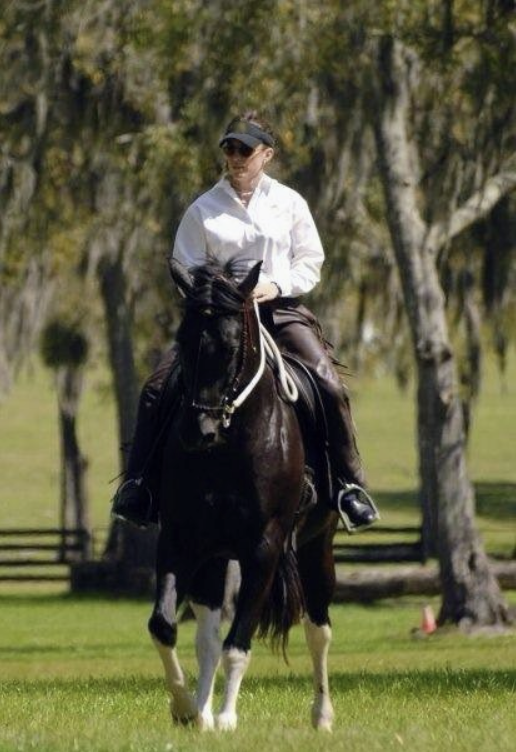
Kristi riding Maxi
Attunement in horsemanship is the art of developing a deep, intuitive understanding of a horse’s emotional, mental, and physical state. It goes far beyond technique or training strategies. Attunement asks us to notice how a horse feels while we are interacting with them and to let that information guide our choices.
When we are attuned to a horse, we are paying attention to their body language, energy, rhythm, and overall demeanor. We are not simply asking for behavior; we are listening for feedback. This level of awareness allows communication to become clearer, kinder, and far more effective. Over time, it creates trust, willingness, and a sense of safety that no amount of pressure can replace.
Why Attunement Matters in Horsemanship
Horses are prey animals whose primary language is physical and energetic. They do not process the world through words or explanations. Because of this, miscommunication often happens when humans focus more on the task than on the horse’s experience.
Attunement bridges that gap.
When we cultivate attunement, we become better at recognizing early signs of tension, confusion, curiosity, or relaxation. This allows us to adjust before a problem escalates. Instead of reacting to resistance or shutdown, we can respond to the underlying need that caused it. This is where trust is built and where partnership becomes possible.
The Core Elements of Attunement
Presence
Attunement begins with being fully present. Horses notice where our attention goes. When we are distracted, rushed, or mentally elsewhere, our signals become inconsistent. Presence allows us to notice small changes in posture, breathing, and expression that reveal how the horse is truly feeling.
Observation
Careful observation is a learned skill. A soft eye, a held breath, a tight jaw, or a change in rhythm all communicate valuable information. The more time we spend simply watching horses—without immediately correcting or directing—the more fluent we become in their language.
Empathy
Empathy in horsemanship means considering the horse’s perspective. What feels easy? What feels confusing? What feels physically or emotionally difficult? Empathy does not mean avoiding challenge; it means presenting challenge in a way the horse can understand and succeed with.
Trust
Trust develops when a horse learns that we notice their feedback and respond appropriately. When comfort is found inside the answer, rather than only after compliance, horses become more willing, more curious, and more confident.
Respect
Respect is shown through consistency, fairness, and kindness. It is demonstrated by listening as much as asking and by valuing the horse’s emotional state as highly as the outcome of the task.
Attunement Creates Better Outcomes—and Better Horses
Attunement is not passive, and it is not indulgent. It is highly practical. Horses who feel understood are more responsive, more relaxed, and more capable of learning. Training sessions become shorter and more productive because the conversation stays clear.
Over time, attunement leads to a relationship where the horse is not merely cooperating, but actively participating. The work becomes smoother, safer, and more enjoyable for both horse and human.
Practicing Attunement Every Day
Developing attunement requires patience and humility. It asks us to slow down, to observe before we act, and to remain open to being corrected by the horse’s feedback. This skill grows through repetition, curiosity, and a genuine willingness to listen.
When we practice attunement consistently, horsemanship shifts from managing behavior to building a relationship. The result is not just better performance, but a more harmonious partnership—one rooted in trust, clarity, and mutual respect.