
A Horse Lover’s Guide
Here is a series of articles that I’ve written over the years about horsemanship and achieving harmony and an autotelic experience.
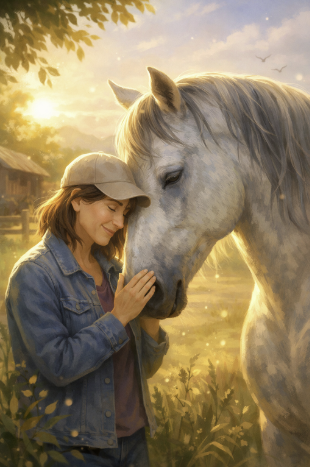
When Fear Creates Inertia: A Thoughtful Path Back to Horses
When Fear Creates Inertia: A Thoughtful Path Back to Horses
Fear of failure, fear of getting hurt, or fear of “not being who you used to be” can quietly create inertia in even the most devoted horse lovers. This kind of stuckness is not laziness, weakness, or a lack of passion. It is often a nervous system response shaped by past experiences, pressure, or unrealistic expectations.
The path back to joy is rarely dramatic. It is usually quiet, intentional, and deeply personal—and that is exactly what makes it sustainable.
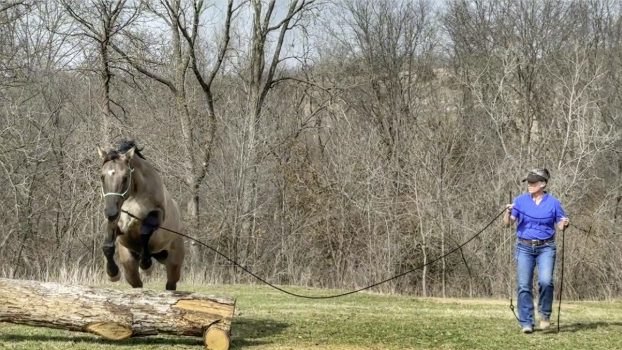
Emotional Maturity in Horsemanship:
Emotional Maturity in Horsemanship: Why Our Focus Shapes Our Results
Horsemanship is more than a technical skill. It is a reflection of our emotional maturity, our ability to regulate ourselves, and our willingness to stay connected when things get complicated. Horses feel everything. They respond not just to our aids, but to the quality of our intention. When we cultivate emotional maturity, the entire horse–human relationship becomes clearer, kinder, and far more effective.
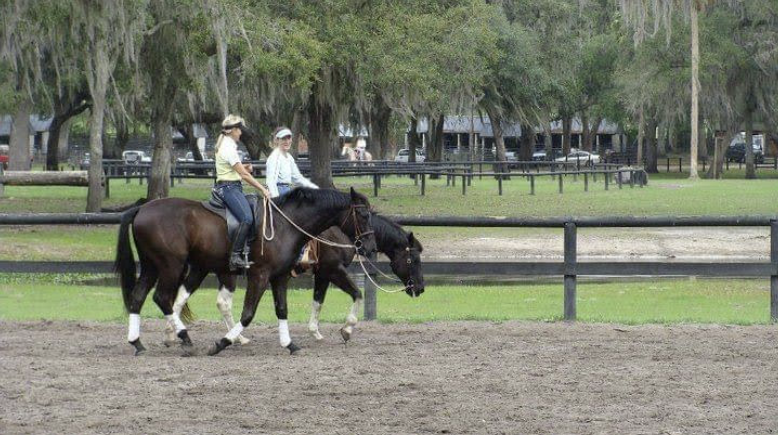
Developing Leadership in Horsemanship
Leadership in horsemanship is one of the most misunderstood concepts in the horse world. Many riders think leadership is about authority, control, or demanding obedience. Yet the finest horsemen and horsewomen—those whose horses move with softness, trust, and confidence—lead with something very different.
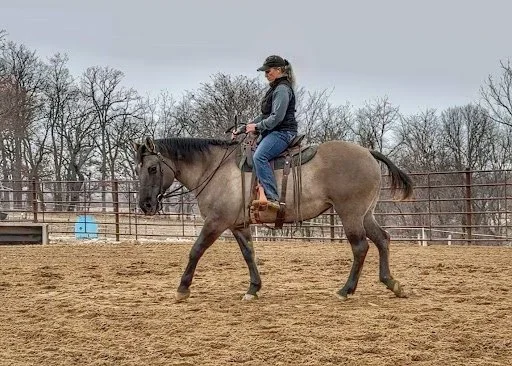
Comparison and Judgment: The Quiet Killers of Joy
Comparison and judgment are two of the most reliable ways humans drain joy from their own lives. They work quietly, often disguised as motivation, discernment, or “just being honest,” yet over time they create dissatisfaction, insecurity, and emotional distance—from ourselves and from others.
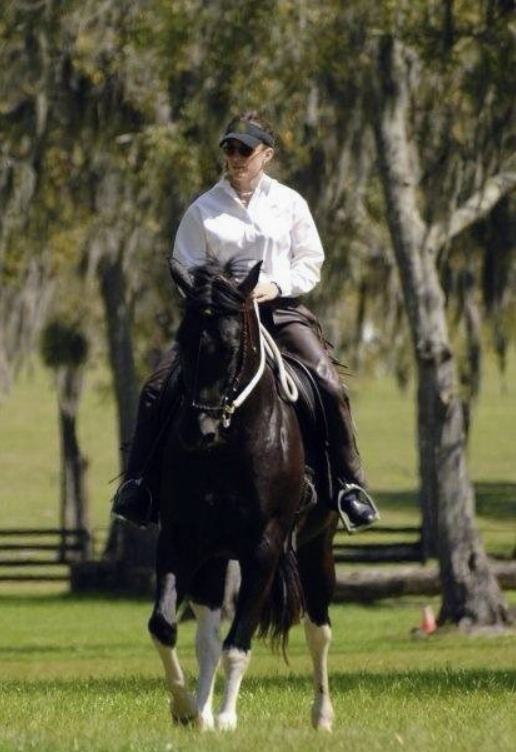
Attunement with Horses: The Foundation of True Partnership
Attunement in horsemanship is the art of developing a deep, intuitive understanding of a horse’s emotional, mental, and physical state. It goes far beyond technique or training strategies. Attunement asks us to notice how a horse feels while we are interacting with them and to let that information guide our choices.
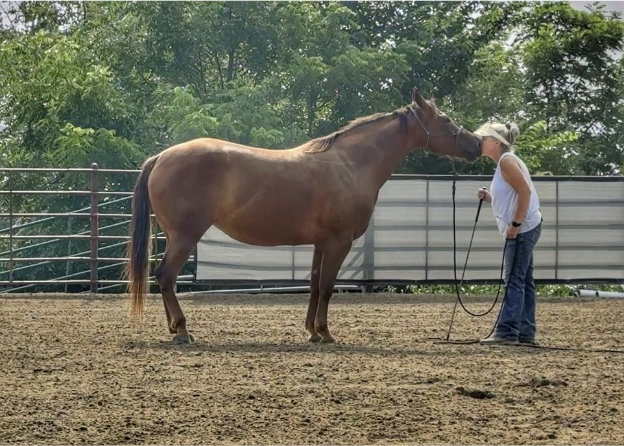
The Circle of Influence in Horsemanship
It is human nature to get tangled up in things we cannot control. Once we stop trying to wrestle the world into our shape and start listening to the horse in front of us, that listening grows our influence, expands our partnership, and unlocks the kind of harmony that so many riders chase but rarely find.
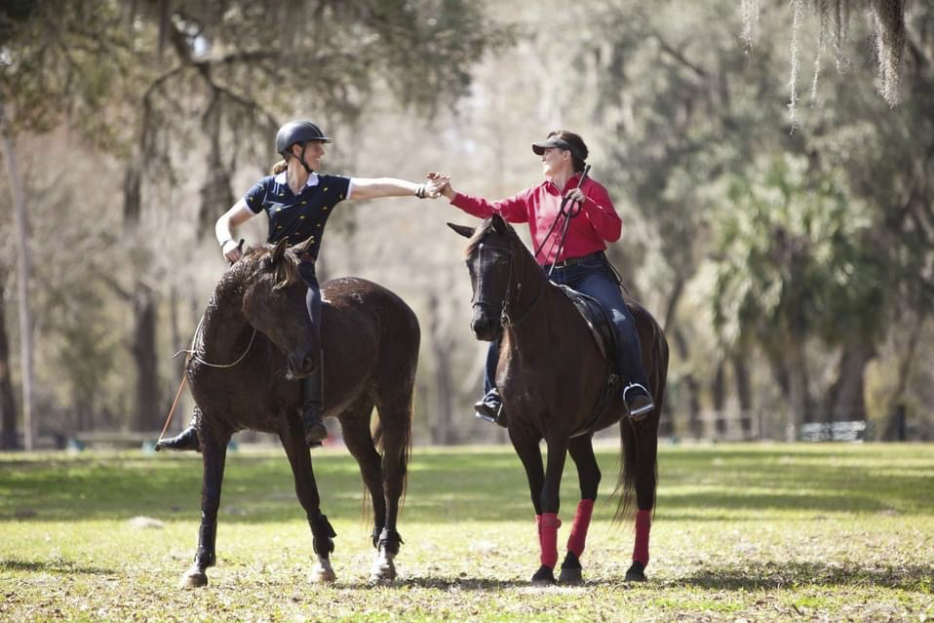
Embracing the Journey in Horsemanship: Why the Process Matters More Than the Outcome
In horsemanship, it’s easy to become fixated on outcomes. A quiet ride. A finished maneuver. A confident horse. While goals have their place, real and lasting progress comes from something deeper: embracing the journey itself.
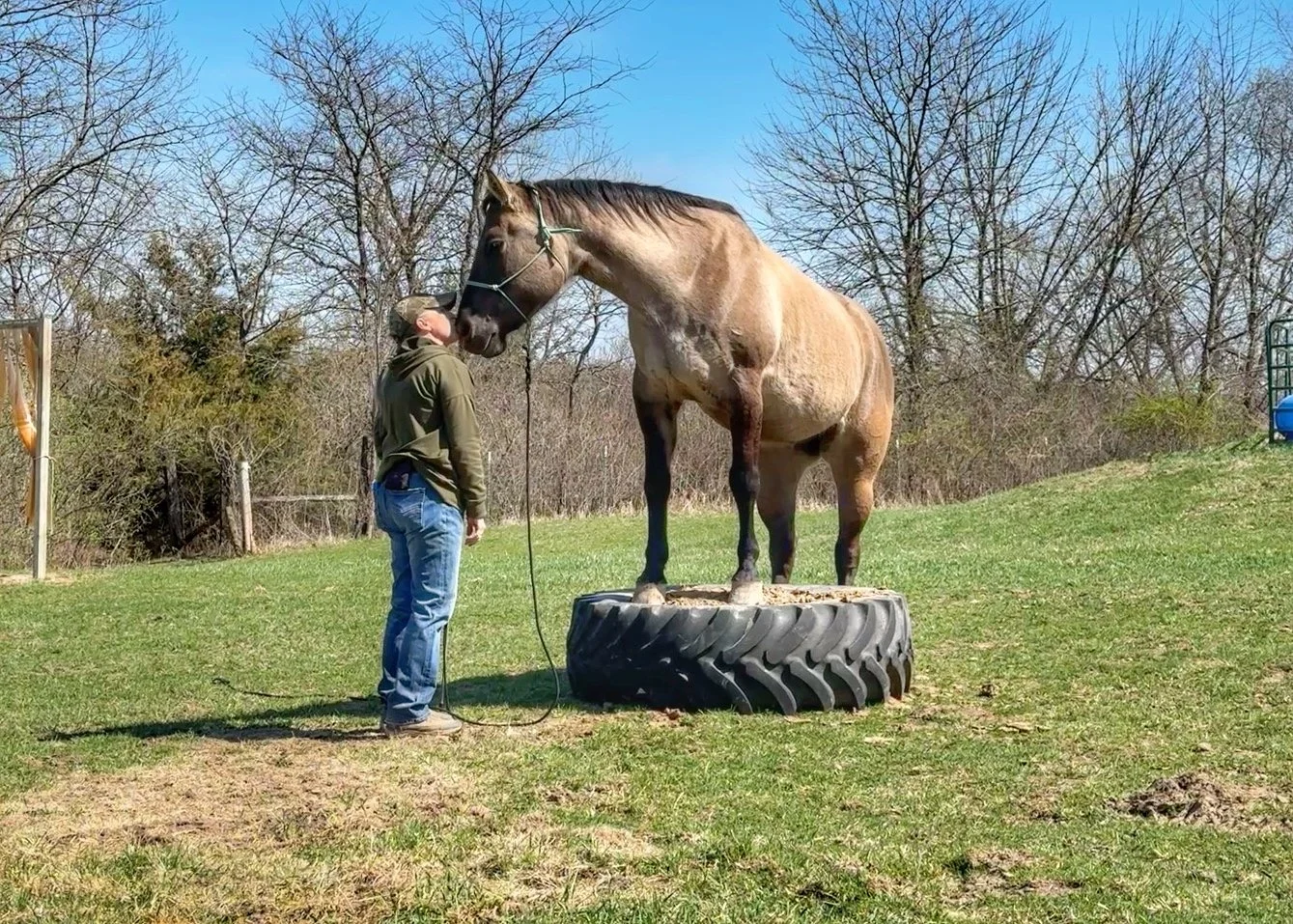
Setting Goals, Overcoming Challenges, and Rethinking Timelines in Horsemanship Training
In autotelic horsemanship, the work itself is the point. Riding, groundwork, and problem-solving are not chores to endure in order to reach a destination—they are conversations worth having for their own sake.