
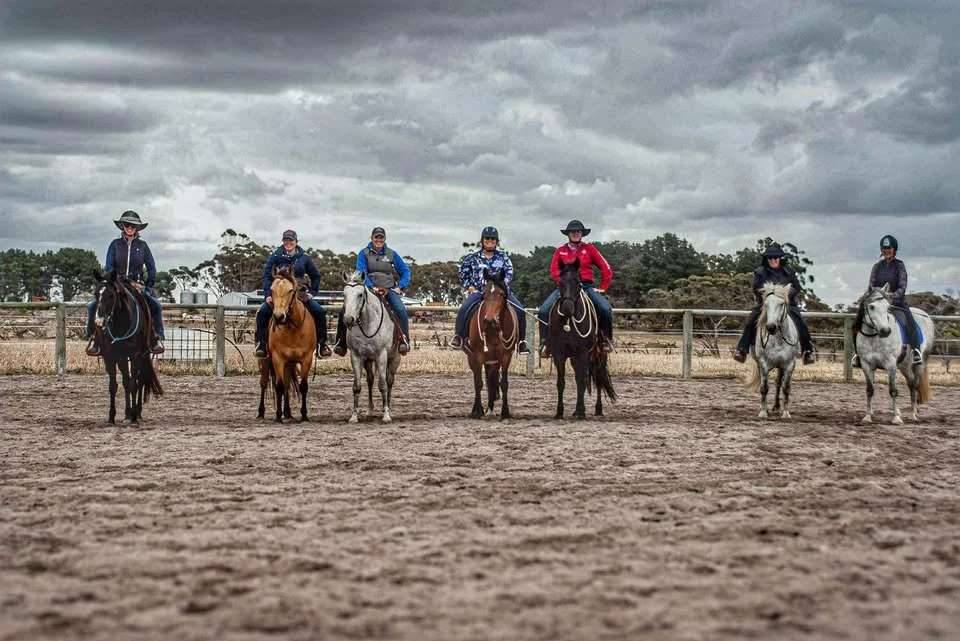
Hosting a Clinic with Coach Kristi
First and foremost, thank you for considering hosting a clinic. I do not take the opportunity to teach away from home lightly, and I am genuinely grateful for those who are willing to invest the time, energy, and organization required to bring a horsemanship event together.
My goal is always to create a learning environment that is supportive, educational, and beneficial for both horses and humans. The information below is intended to help make the planning process as smooth and enjoyable as possible.
Clinic Fees
My clinics are charged by the day rather than by the rider (unless we have agreed otherwise).
Clinic Fee: $1,500 USD per day
In addition to the daily fee, hosts are responsible for travel-related expenses, which may include:
Airfare
Visa fees (if applicable)
Required travel permits or entry fees
Other reasonable travel expenses directly related to the trip
For multi-clinic tours, travel expenses may be shared among hosts when appropriate.
Recruiting Participants
The success of a clinic depends largely on the efforts of the host. While I am always happy to support the promotion of an event through my website, social media channels, and email list when appropriate, I rely heavily on hosts to recruit participants within their local horse community.
In my experience, clinics fill most successfully when hosts personally connect with people who they believe would genuinely benefit from attending. A personal invitation is almost always more effective than a general advertisement.
Simple and Effective Marketing Strategies
Personally invite people
Reach out individually to riders you know, former clinic participants, friends, boarding barn clients, trail riding groups, and horse owners who may be looking for support. A personal message explaining why you think they would enjoy the experience is often the single most effective way to fill a clinic.Share stories, not advertisements
When posting on social media, focus less on promoting the clinic and more on sharing why you are excited about it. Tell people what you have learned from previous clinics, how your horse has benefited, or what you hope to gain from the experience. Authentic enthusiasm is far more compelling than a flyer alone.
A Few Things to Keep in Mind
Recruiting participants typically takes time. Begin promoting the clinic as early as possible.
Follow up with interested people. Many riders need several reminders before making a commitment.
Consider welcoming auditors. Auditors often become future participants and can add energy and enthusiasm to the event.
Don’t assume people know what the clinic is about. Be prepared to share your personal experience and explain why you believe it would benefit them.
The most successful clinics are usually hosted by people who are genuinely excited about the experience and willing to share that enthusiasm with others. Your belief in the value of the event is often the most effective marketing tool available.
Auditor Participation
Auditors are welcome and often add to the overall learning experience.
The recommended auditor fee is $25 USD per person, per day.
Auditor fees may be applied toward my daily clinic fee. Once the daily fee has been fully covered, any additional auditor income belongs to the clinic host unless other arrangements have been made in advance.
Participant and Horse Requirements
To create the safest and most productive learning environment possible, I ask hosts and participants to carefully consider whether a clinic is an appropriate fit for their current stage of development.
Riders
I do not offer private lessons, colt-starting clinics, or children’s clinics.
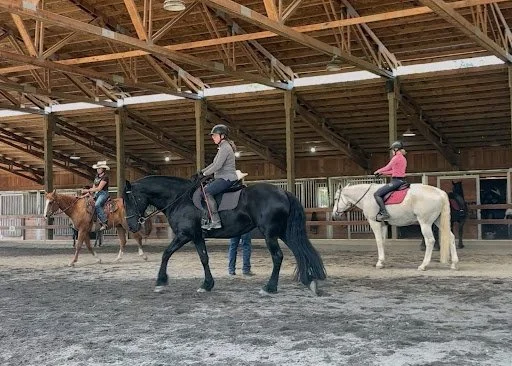
Clinics may be structured in many different ways depending on the goals of the group. We may work in small groups, rotate participants through exercises, or spend much of the day with everyone working together in the arena. However, the learning experience is designed around a group format rather than individual private instruction.
Participants should be at least 16 years of age to ride in my clinics.
My teaching style tends to be highly conceptual and discussion-based. While I occasionally make exceptions for younger riders, any participant under the age of 16 must be approved in advance. In these situations, I ask that a parent, instructor, or other trusted adult who knows the rider well be willing to vouch for their maturity, horsemanship experience, and ability to participate successfully in the learning environment. All minors will be required to wear a helmet.
Horses
I do not accept horses that are in the colt-starting phase of their education.
Horses should have a solid foundation that includes approximately 50 hours or more of successful riding experience prior to attending a clinic. They do not need to be highly trained or advanced, but they should possess the basic education and emotional fitness necessary to participate safely in a group setting.
Many horses attend my clinics because they have challenges that their owners would like help solving. That is perfectly appropriate and often one of the greatest benefits of participating. However, horses must be safe to handle, safe to ride, and sufficiently prepared to work around other horses and people.
If there is any uncertainty about whether a horse is ready for a clinic environment, I encourage participants to contact me in advance. I am happy to help determine whether a clinic is the right next step or if additional preparation at home would better serve both horse and rider. coach@thecoachkristi.com
Clinic Structure
While each clinic is customized to the needs of the participants, a typical day follows this schedule:
9:00 a.m. – Clinic begins
12:00 p.m. – Approximately one-hour lunch break
4:00 p.m. – Clinic concludes
The exact format may vary depending on the riders, horses, facilities, weather, and goals of the group. Private lessons need to be kept to a minimum and should not be more than 1 hour when agreed upon in advance.
To ensure a high-quality learning experience, clinic groups are limited to a maximum of 10 riders.
My Teaching Philosophy
While riders often arrive hoping to solve a particular challenge or achieve a specific goal, my clinics are not primarily about perfecting maneuvers or checking tasks off a list.
My passion is helping people develop a language with their horses that creates greater understanding, trust, confidence, and harmony. Rather than focusing solely on what a horse can do, we spend time exploring how horses learn, how they perceive us, and how we can become more effective partners.
Participants can expect discussions about communication, emotional fitness, problem-solving, leadership, confidence, responsiveness, and relationship-building. Technical skills certainly matter, but they are most valuable when they support meaningful conversations between horse and human.
My hope is that every rider leaves with practical tools they can apply long after the clinic ends, along with a deeper understanding of both themselves and their horse.
Curriculum and Topics
One of the things that makes these clinics unique is that they are tailored to the participants rather than built around a rigid curriculum.
While we may choose a general theme for promotional purposes, the specific topics covered are determined by the needs of the riders and horses attending. My goal is to help participants develop practical horsemanship skills, stronger communication, improved problem-solving abilities, and more harmonious partnerships with their horses.
For this reason, neither the clinic host nor I pre-select an exact lesson plan in advance. The horses and riders themselves help determine where our focus is needed most.
The How To Talk Horse Framework
All of my teaching is grounded in the principles and curriculum of the How To Talk Horse program developed by Linda Parelli.
This does not mean participants need to be current members of the program or have prior experience with the curriculum in order to attend. Riders from a variety of backgrounds and disciplines are welcome.
However, participants can expect many of the concepts, exercises, and problem-solving strategies presented during the clinic to draw directly from the How To Talk Horse framework. This includes the development of connection, relaxation, responsiveness, confidence, impulsion, harmony, agility, purpose, and power, as well as the broader goal of creating willing partnerships built on understanding rather than compliance.
Regardless of where someone is in their horsemanship journey, my objective is to meet them where they are and help them develop skills that can immediately improve both their relationship with their horse and their enjoyment of the process.
Connection
〰️
Relaxation
〰️
Responsiveness
〰️
Confidence
〰️
Impulsion
〰️
Harmony
〰️
Agility
〰️
Purpose
〰️
Power
〰️
Connection 〰️ Relaxation 〰️ Responsiveness 〰️ Confidence 〰️ Impulsion 〰️ Harmony 〰️ Agility 〰️ Purpose 〰️ Power 〰️
Beyond the Arena
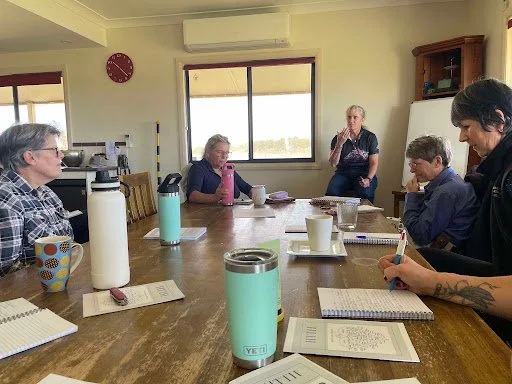
One of my favorite parts of teaching is getting to know the people and horses who attend my clinics.
I genuinely enjoy hearing people’s stories, learning about their horsemanship journeys, and discussing the challenges, successes, questions, and aspirations that have brought them to the clinic. In many ways, some of the most meaningful learning happens during lunch breaks, over coffee in the morning, or in conversations after the day’s riding has concluded.
Throughout my stay, I am happy to answer questions, share experiences from my own horsemanship journey, and discuss topics that may not fit neatly into the day’s lessons. Horses have been my life’s work and my greatest passion, and I enjoy every opportunity to help others make sense of their own experiences with them.
Hosts and participants should not feel obligated to leave me alone during breaks or at the end of the day. While everyone occasionally needs a little downtime, I generally enjoy being included in conversations and spending time with the people who have worked so hard to make the clinic possible.
My hope is that each clinic feels less like a formal event and more like a gathering of horse lovers who are committed to learning, growing, and sharing ideas together.
Accommodations and Transportation
Whenever possible, I appreciate being housed by the clinic host. Staying on-site or nearby helps me connect with participants, reduces expenses, and creates a more relaxed experience for everyone involved.
I do not have any food allergies or special dietary requirements. However:
Coffee is greatly appreciated in the mornings
I am generally not a fan of seafood.
Otherwise, I am easy to accommodate.
Hosts are responsible for transportation to and from the airport.
For departing flights, I request arrival at the airport at least two hours before departure to allow sufficient time for check-in and security procedures.
Facilities
Every location is unique, and I am generally flexible regarding facilities. Safe footing, secure fencing, adequate parking, and access to restrooms are important considerations.
If you have questions about whether your facility is a good fit, I am happy to discuss it with you.
Host Appreciation Gift
As a small thank-you for the effort involved in organizing and hosting a clinic, hosts who organize two or more clinic days will receive one year of complimentary participation in my Protégé Program.
This includes access to video coaching, educational resources, live Zoom sessions, and ongoing support throughout the year.
Thank You
Hosting a clinic requires vision, effort, and a willingness to bring people together. I am sincerely grateful to everyone who chooses to partner with me in creating opportunities for horse lovers to learn and grow.
I look forward to working together to create an experience that is educational, encouraging, and beneficial for both horses and humans.