Why Riders Choose Certain Horsemanship Mentors
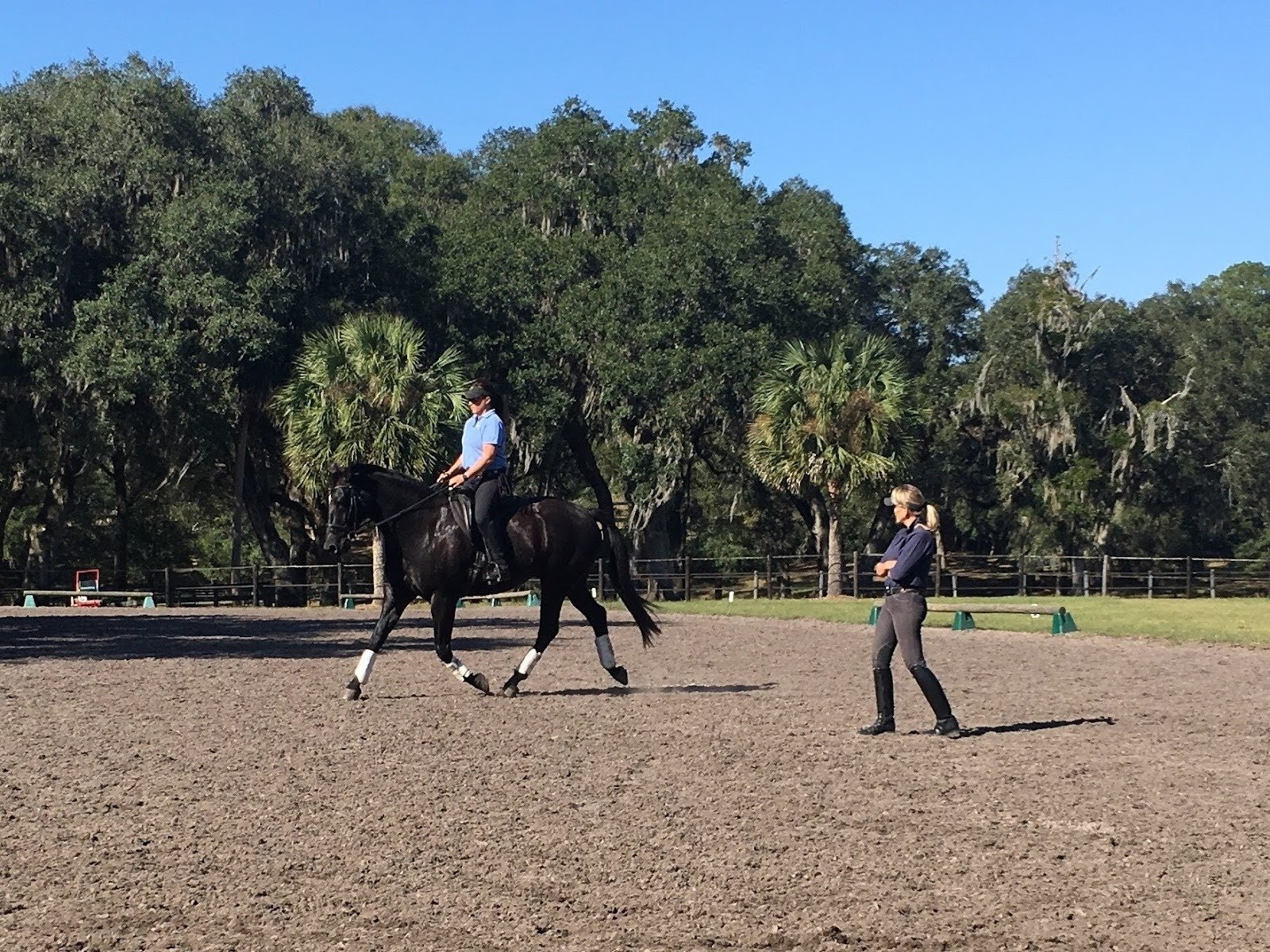
Linda Parelli coaching Kristi
In horsemanship, choosing a mentor is rarely a casual decision. The person you choose to learn from will shape not only how you work with your horse, but how you think about leadership, communication, responsibility, and partnership. While riders may believe they are drawn to a mentor for a single reason, the reality is more nuanced. Several interconnected factors tend to influence why someone chooses to follow a particular horsemanship mentor.
Expertise and Experience Matter—But Context Matters More
A mentor’s depth of experience is often the first thing riders notice. Years in the saddle, exposure to many horses, and a proven ability to solve real problems all carry weight. Riders naturally seek teachers who have spent time developing skill, observation, and timing. Experience alone, however, is not the whole story. What matters just as much is how that experience is applied—whether it is adaptable, thoughtful, and responsive to both horse and human rather than rigid or performative.
Teaching Style Shapes Learning
Teaching style plays a significant role in whether a mentorship relationship thrives. Some riders want clear structure and direct feedback. Others need more space, reflection, and encouragement. A mentor’s ability to meet students where they are—without shaming, rushing, or overwhelming—often determines whether learning feels empowering or defeating. Riders tend to stay with mentors who make progress feel possible, even when the work is challenging.
The Importance of Personal Connection
Horsemanship is deeply personal. Horses expose our habits, emotions, and blind spots with remarkable honesty. Because of this, riders are often drawn to mentors who feel attuned to their goals, fears, and learning style. A strong personal connection creates psychological safety, which allows both horse and human to stay curious instead of defensive. When a rider feels seen and supported, learning becomes collaborative rather than transactional.
Reputation and Observable Results
A mentor’s reputation inevitably influences who is drawn to them. Riders pay attention to the horses being produced, the confidence of the students, and the long-term soundness—physical and emotional—of both. Reputation carries more weight when it is built on consistency and transparency rather than hype. Increasingly, riders are looking beyond polished demonstrations and asking harder questions about sustainability, ethics, and the horse’s experience.
Philosophy and Shared Values
Perhaps the most enduring reason riders follow a mentor is philosophical alignment. Riders tend to stay with teachers whose values reflect their own—especially when it comes to humane training, willingness, consent, and emotional fitness. When a mentor’s philosophy honors the horse as a thinking, feeling participant rather than an object to be managed, riders who care about relationship and responsibility take notice.
Choosing a Mentor Is a Reflection of Priorities
Ultimately, the decision to follow a horsemanship mentor reflects what a rider values most. Skill development, emotional safety, ethical training, and meaningful partnership all factor into that choice. The most effective mentorships are rarely built on charisma alone. They are built on trust, clarity, shared values, and a genuine commitment to the well-being of both horse and human.
In horsemanship, mentorship is not about following blindly—it’s about learning how to think, feel, and respond more skillfully. The right mentor doesn’t create dependence. They help riders grow into thoughtful, capable partners for their horses.