
A Horse Lover’s Guide
Here is a series of articles that I’ve written over the years about horsemanship and achieving harmony and an autotelic experience.
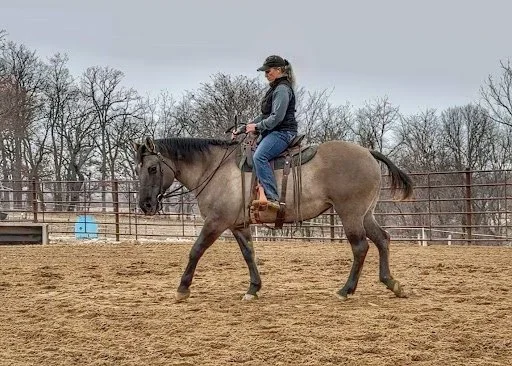
Comparison and Judgment: The Quiet Killers of Joy
Comparison and judgment are two of the most reliable ways humans drain joy from their own lives. They work quietly, often disguised as motivation, discernment, or “just being honest,” yet over time they create dissatisfaction, insecurity, and emotional distance—from ourselves and from others.
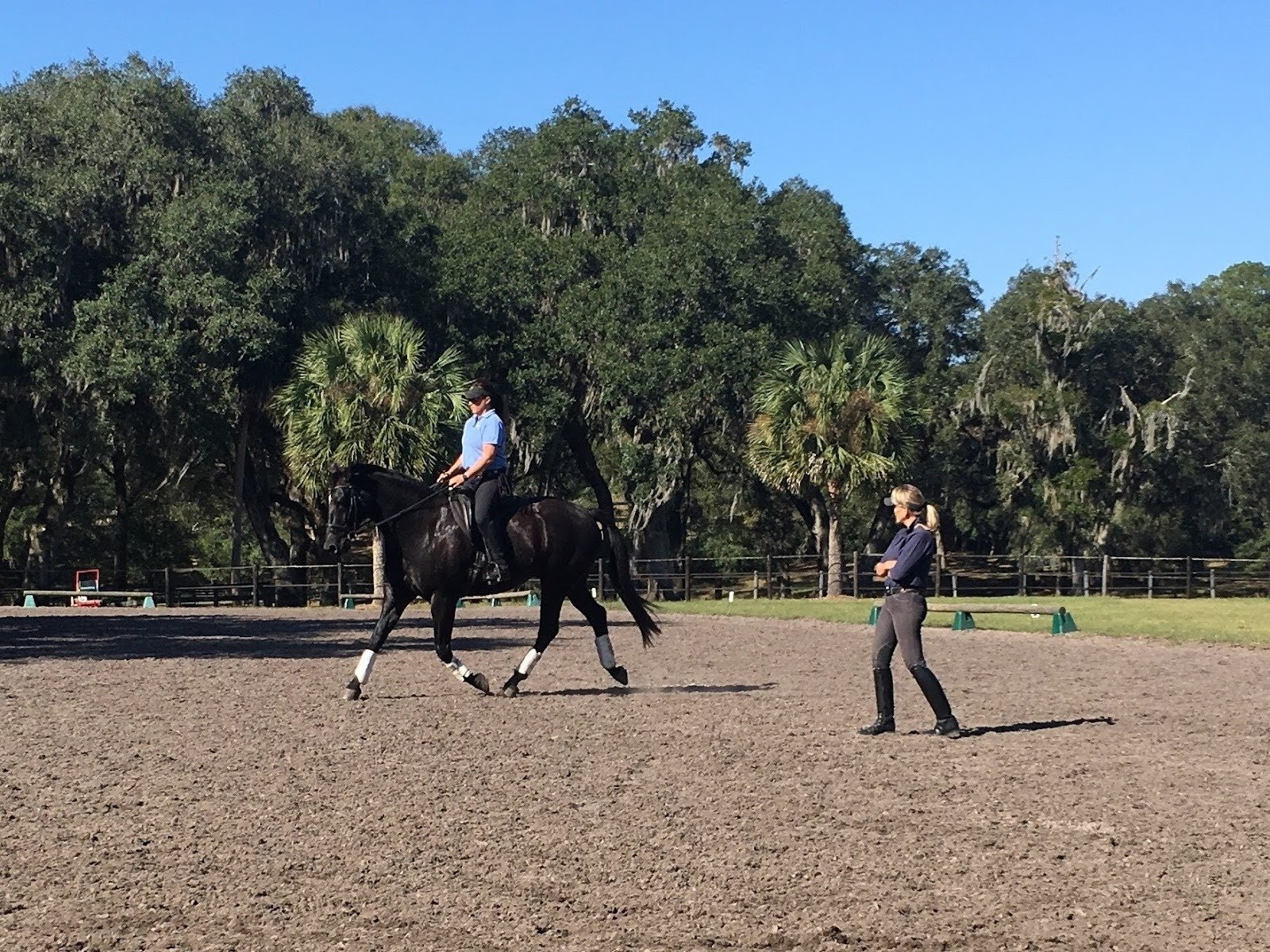
Why Riders Choose Certain Horsemanship Mentors
In horsemanship, choosing a mentor is rarely a casual decision. The person you choose to learn from will shape not only how you work with your horse, but how you think about leadership, communication, responsibility, and partnership. While riders may believe they are drawn to a mentor for a single reason, the reality is more nuanced. Several interconnected factors tend to influence why someone chooses to follow a particular horsemanship mentor.
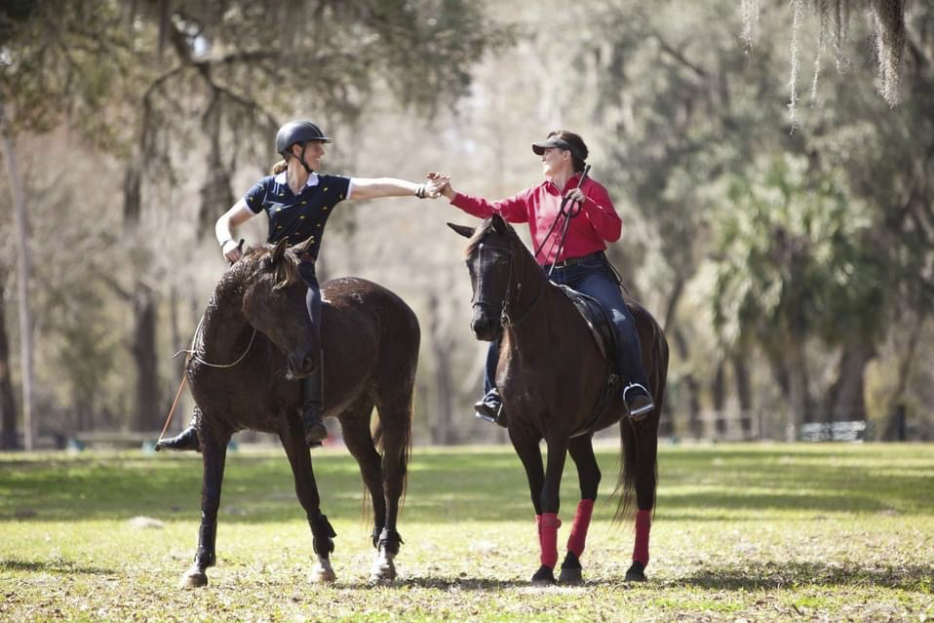
Embracing the Journey in Horsemanship: Why the Process Matters More Than the Outcome
In horsemanship, it’s easy to become fixated on outcomes. A quiet ride. A finished maneuver. A confident horse. While goals have their place, real and lasting progress comes from something deeper: embracing the journey itself.
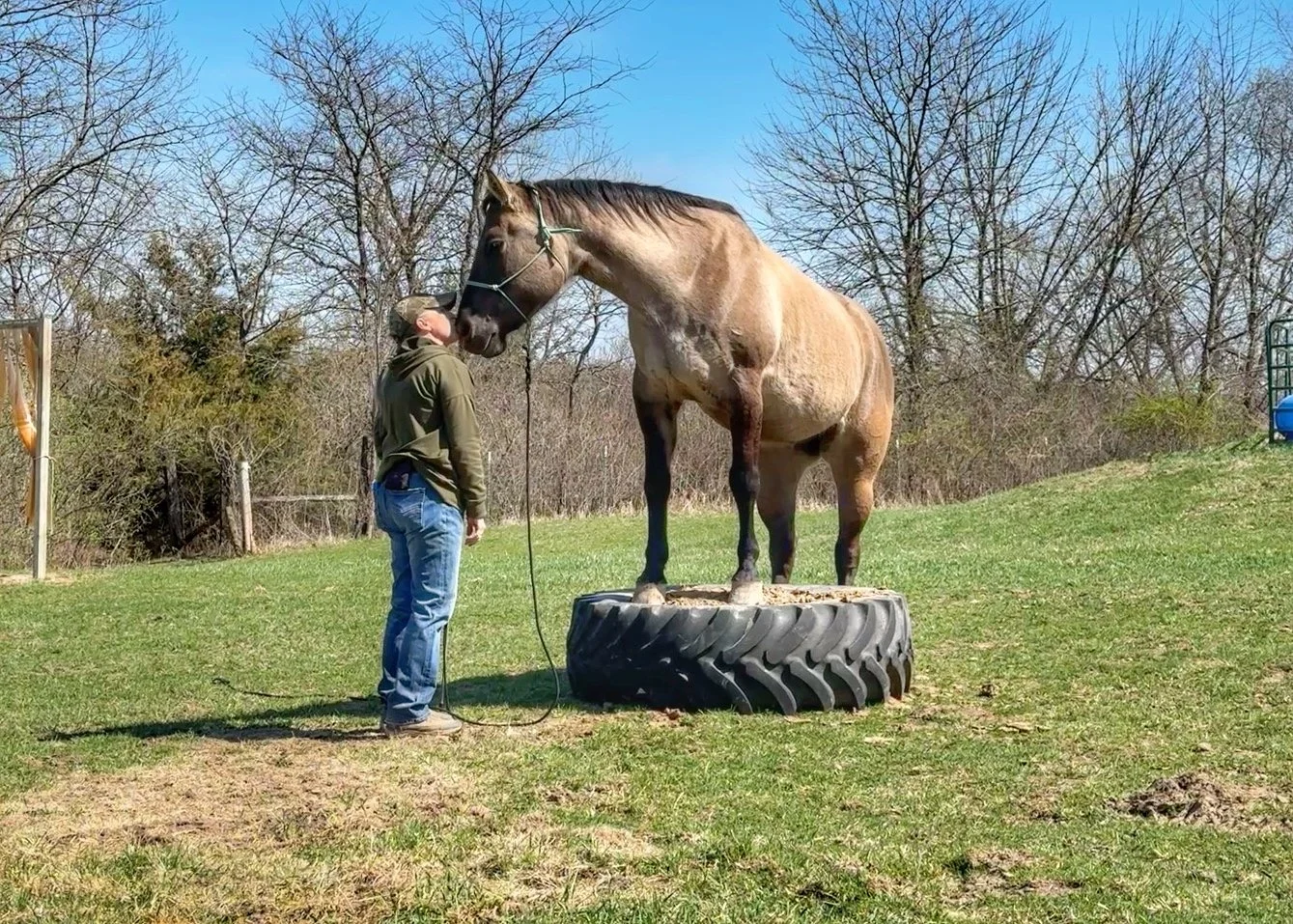
Setting Goals, Overcoming Challenges, and Rethinking Timelines in Horsemanship Training
In autotelic horsemanship, the work itself is the point. Riding, groundwork, and problem-solving are not chores to endure in order to reach a destination—they are conversations worth having for their own sake.